The Ultimate Executive Survival Guide to the Las Vegas Convention Center (LVCC)
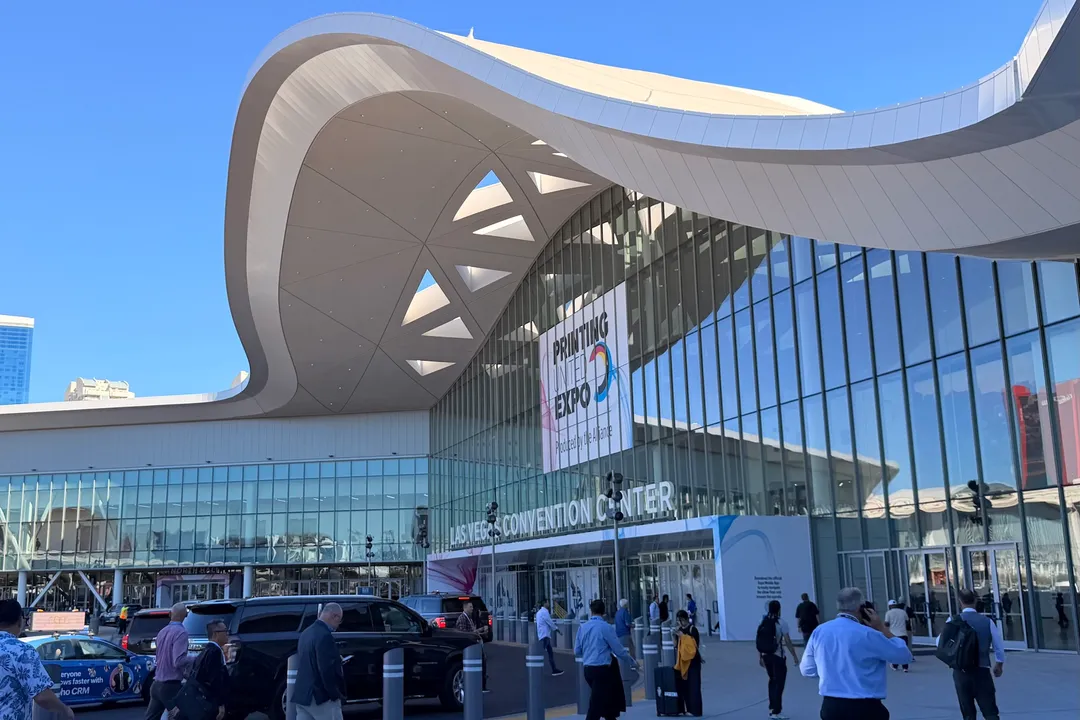
The Las Vegas Convention Center (LVCC) North Hall entrance during the PRINTING United Expo 2026. Photo: LandingInVegas Editorial Team
Editorial Note: The Las Vegas Convention Center (LVCC) is the largest single-level convention facility in the world. Whether you are attending CES, SEMA, or NAB Show, the following logistical intelligence is universally applicable to surviving the campus.
The Las Vegas Convention Center (LVCC) is a staggering 4.6 million square-foot complex encompassing the West, North, Central, and South Halls. For C-level executives, VP-level decision-makers, and their support teams, attending a mega-summit here presents a massive logistical challenge. Time-efficiency and frictionless movement are paramount; relying on standard tourist transportation methods will result in missed meetings, extreme physical fatigue, and lost ROI.
This guide is engineered to help corporate delegates bypass the friction, master the massive campus layout, and execute a flawless trade show strategy.
1. Arriving in Style: The Drop-Off Logistics
The single biggest mistake first-time attendees make when attending a convention at the LVCC is assuming they can simply call an Uber or take a taxi from their Strip hotel during the morning rush.
The Pain Point: During peak convention hours (8:00 AM – 10:00 AM), surface streets around the LVCC (Paradise Road, Desert Inn Road) become totally gridlocked. Taxi and rideshare drop-off lines can incur 30- to 45-minute delays. The VIP Solution: Pre-book a dedicated Executive Black Car service. Professional chauffeurs utilize alternative staging areas and back-access routes to bypass the main rideshare queues, ensuring a frictionless, guaranteed arrival time.
Read our full guide: The Executive Guide to Las Vegas Airport & Venue Transfers
Alternatively, if your hotel is directly connected (e.g., MGM Grand, Horseshoe, Sahara), utilizing the Las Vegas Monorail is a highly efficient way to completely bypass surface traffic, dropping you directly at the Boingo Station at LVCC.
Read our full guide: Las Vegas Strip Monorail & Tram Logistics
2. Navigating the 4.6 Million Sq Ft Campus
The LVCC is divided into four primary exhibit halls. Walking from the brand-new West Hall to the far end of the South Hall is a nearly 2-mile journey. Do not attempt to walk this.
The Hall Layout
- West Hall: The newest, most state-of-the-art $1 Billion facility. It features a massive digital ribbon roof and is typically reserved for the most premium tech, automotive, and high-budget exhibitors.
- North & Central Halls: The legacy core of the campus. These halls are massive, dense, and heavily trafficked. They connect directly via indoor walkways.
- South Hall (Levels 1 & 2): Often utilized for specialized pavilions, breakout sessions, and secondary vendor floors. It is physically separated from the North/Central hub by a significant distance.
WARNING
The Walking Illusion: The desert air and massive scale of the halls create a visual illusion that distances are shorter than they are. If your schedule requires you to move from a keynote in the West Hall to a client meeting in the South Hall, you must allocate at least 25 minutes of transit time. Wear premium, supportive footwear.
3. The Vegas Loop: Your Secret Weapon
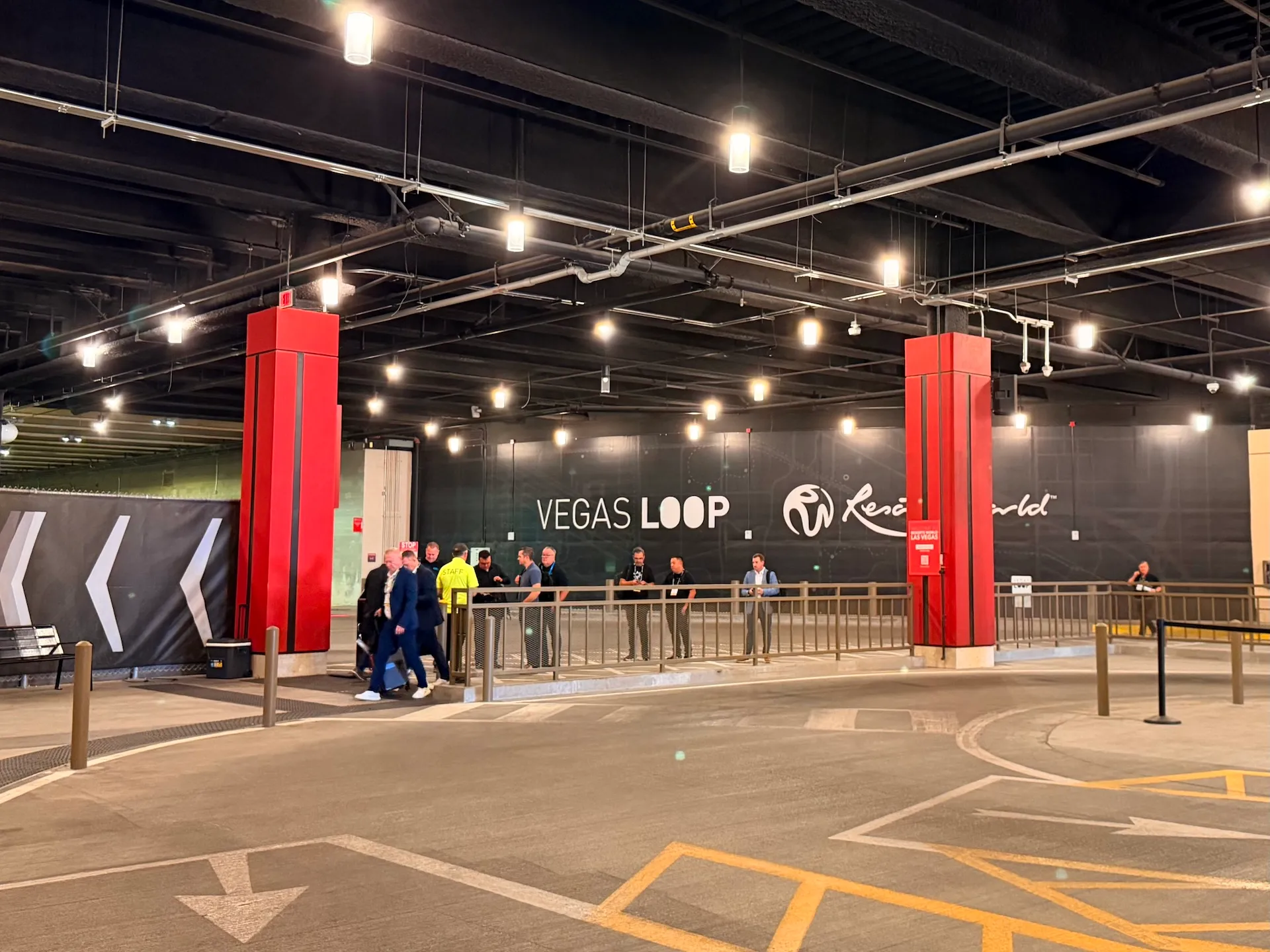
The Vegas Loop passenger station at Resorts World Las Vegas, connecting delegates directly to the LVCC campus. Photo: LandingInVegas Editorial Team
To combat the massive scale of the campus, the LVCVA partnered with Elon Musk’s The Boring Company to create the Vegas Loop. This is an absolute necessity for executive survival.
The Loop is an underground, high-speed transit system utilizing a fleet of Tesla vehicles (currently piloted by human drivers). It connects the South Hall, Central Hall, West Hall, and Resorts World Las Vegas via subterranean tunnels.
- Frictionless Transit: A walk from the South Hall to the West Hall takes roughly 25 minutes above ground. The Vegas Loop reduces this to under two minutes.
- Cost: Rides within the LVCC campus stations are completely free during major conventions.
Read our full guide: Mastering the Vegas Loop Transit System
4. Executive Hospitality & Off-Floor Networking
When closing high-level deals, you cannot conduct sensitive business shouting over the noise of the main exhibit floor. You must have a strategy for off-floor, VIP hospitality.
VIP Client Dinners
Taking a key client to a premium, private dining room is standard operating procedure for B2B relationship building. Because the LVCC is a standalone facility (unlike Venetian Expo or Mandalay Bay), you must rely on nearby luxury resorts like Wynn, Fontainebleau, and Resorts World for high-end dining.
Quiet Lounges & Secret Workspaces
If you need to answer emails, take a confidential Zoom call, or host an impromptu 1-on-1 meeting without leaving the immediate vicinity of the convention center, knowing the hidden quiet zones is crucial.
5. The Ultimate LVCC Pre-Arrival Checklist
Before you land at Harry Reid International Airport, ensure you have completed the following:
- Map Your Meetings: Group your appointments geographically (e.g., do all West Hall meetings on Tuesday, all South Hall meetings on Wednesday).
- Download the App: Always download the specific trade show’s official app (CES, NAB, etc.) for live floorplan mapping.
- Book Transport: Secure your Executive Black Car or purchase your multi-day Monorail pass.
- Reserve Dining: Book your VIP private dining rooms months in advance.
Mastering the LVCC requires preparation and strict time management. Treat the campus like a massive city, plan your logistics carefully, and your trade show experience will yield a significantly higher ROI.
More Executive Resources
- Top 5 Las Vegas AI & Cloud Conferences (2026–2027 Guide)
- Top 10 Biggest Las Vegas Trade Shows & Conventions (2026–2027 Ranked)
- Top 6 Las Vegas Convention Centers: 2026 Size & Venue Guide
- Las Vegas AI Corporate Travel Trends: How Silicon Valley is Redefining MICE
- Money20/20 Las Vegas 2026: The Ultimate Executive Survival Guide
- Global Gaming Expo (G2E) Las Vegas 2026: The Ultimate Executive Survival Guide
- IMEX America Las Vegas 2026: The Ultimate Executive Survival Guide
- PRINTING United Expo 2026 Las Vegas: The Ultimate Executive VIP Survival Guide
- AWS re:Invent Las Vegas 2026: The Ultimate Executive Guide
- Oracle AI World Las Vegas 2026: The Ultimate Executive Survival Guide
- MAGIC & PROJECT Las Vegas: The Ultimate Executive VIP Survival Guide